News and updates

News and updates that happen in our RTT Network.

TaSeRnet Peer Review Cycle 1: Kick-Off Completed

As part of our ongoing efforts, we are organizing European treatment planning peer review cycles. The goal of this activity is to improve the quality of treatment plans, test and refine consensus statements related to proton treatment planning, and develop best practices in the field. Additionally, we aim to foster networking and expand collaboration between European proton therapy centers.

We are excited to announce that our first pilot cycle began last week! Three proton therapy centers, located in the Netherlands, Denmark, and the UK, are participating, each with two RTTs and/or dosimetrists on board. Over the next few months, the participants will engage in treatment planning, review, and feedback activities, with the objective of improving the quality of their treatment plans.

We look forward to the progress and insights that will emerge from these activities, and we are eager to share the results early next year!

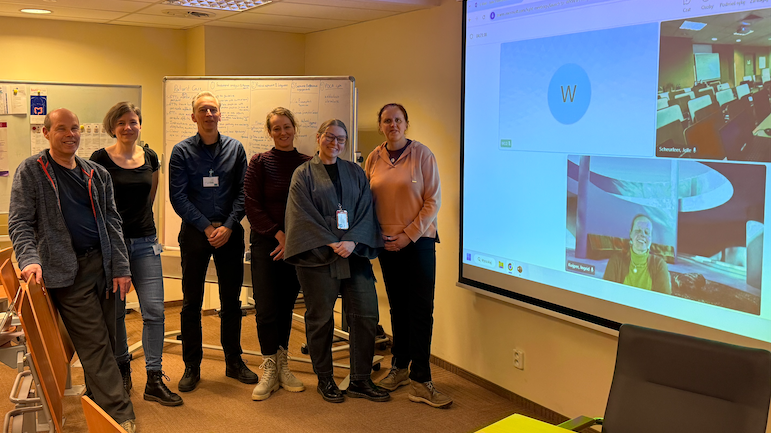
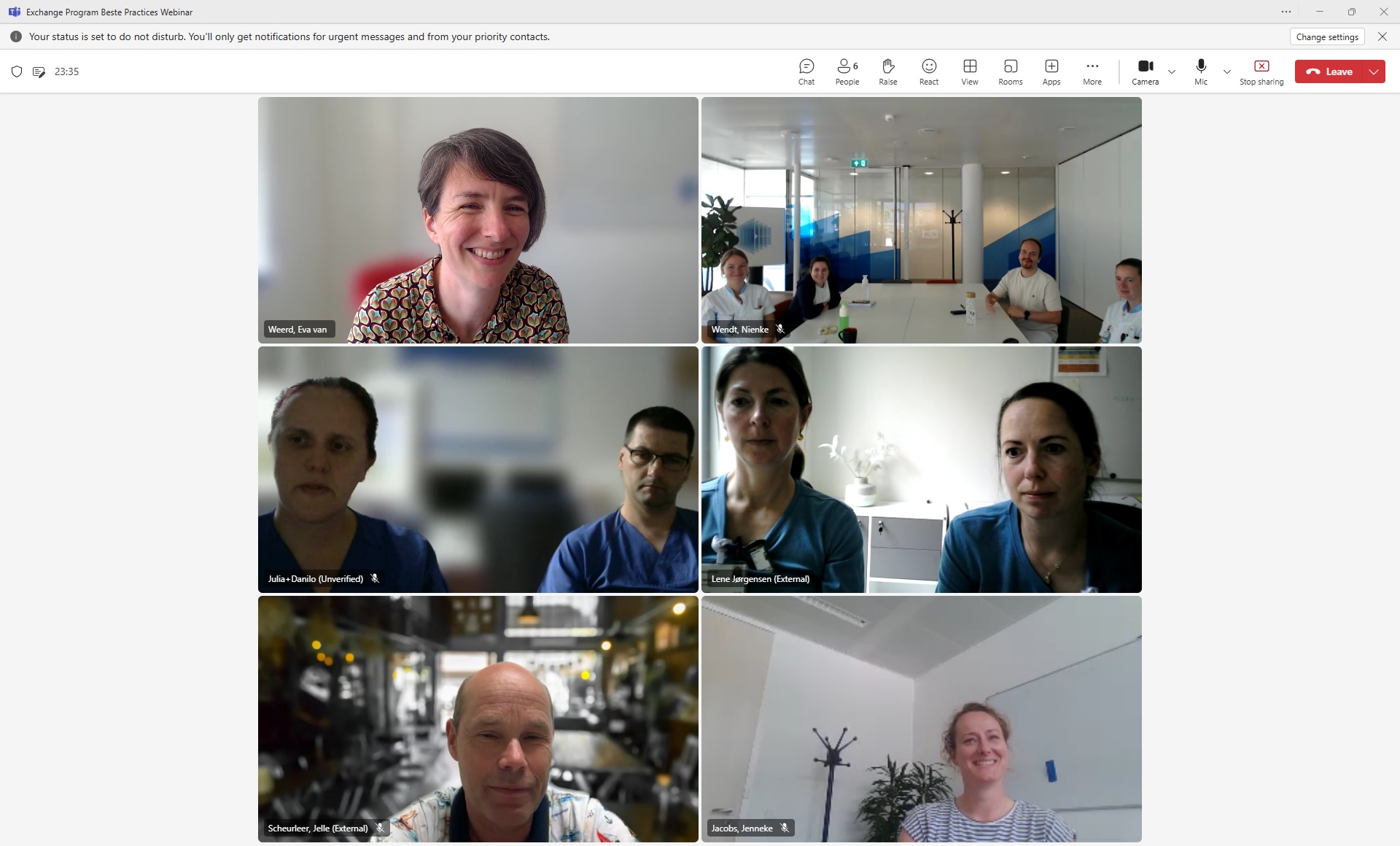
Webinar Photo 

This week, we concluded the first phase of the TaSeRnet exchange program. Ten Radiation Therapy Technologists (RTTs) participated, exchanging knowledge across three proton therapy centers involved in the project. Over two days, RTTs observed clinical workflows and shared best practices focused on head and neck and esophageal cancer treatments.

Exchange Program Structure

Each morning, participants observed clinical activities such as CT simulation, image-guided proton therapy, and daily treatment. Afternoons were dedicated to discussions around best practices and workflow comparisons.

Key Discussion Topics

  • Imaging Modalities: Centers using Cone Beam CT (CBCT) highlighted its advantage in soft tissue visualization, enabling more precise daily patient positioning. Others rely on 2D-kV imaging together with regular in-room CT scans. Matching protocols vary, with some centers using “traffic light” protocols to guide actions.
  • Image Matching Expertise: Participants agreed that effective image matching requires both anatomical knowledge and an understanding of proton beam directions. Visualization tools such as 20% isodose lines were noted as helpful aids for deciding when discrepancies are clinically significant.
  • Simulation & Immobilization: Simulation approaches differ between centers. Repositioning patients before the planning CT-scan to enhance reproducibility was seen as a best practice. Immobilization methods vary, especially for head and neck cases, including the use of masks, mouth spreaders, and specific positioning aids for arms and shoulders. While not universally applied, contrast-enhanced and dual-energy CT scans are recognized as valuable tools when available.

Importance of Training and Practical Insights

All teams emphasized the importance of well-trained RTTs and hands-on learning. Practical tips included using half CBCT scans to lower dose and providing personal towels for patient comfort.

Workflow and Role Variations

The exchange highlighted many similarities in proton therapy workflows but also revealed differences in RTT responsibilities across centers. These variations were the topic of meaningful discussions about protocol development and the influence of equipment and software on workflows and role distribution.

Reflections on Best Practice Implementation

At the end of the exchange, participants shared views on adopting best practices from other centers. While some had successfully implemented new approaches, most were open but faced practical barriers.

Facilitators for Adoption

  • Implementation Plan: A clear and practical implementation plan was identified as the most critical factor for successful adoption. Participants stressed that clear communication about what is changing and how, is essential to avoid confusion and resistance. There was consensus that implementation plans and guidelines should be developed iteratively and support each other.
  • Supporting Factors: Training and education, existing guidelines, and allocation of time and resources were also important. Although leadership support was ranked lower in a survey, discussion revealed it remains vital; management backing is crucial to secure the necessary time and staffing for implementation.
  • Barriers: Participants identified time constraints, staff shortages, and multidisciplinary team approvals as the main hurdles to implement best practices. These challenges often stem from the practical reality of busy clinical environments.

Conclusion

The TaSeRnet job exchange has been a valuable opportunity for RTTs to reflect on current practices, share knowledge, and explore potential improvements. While enthusiasm for change is strong, successful implementation depends on structured planning, adequate support, and realistic resource allocation.


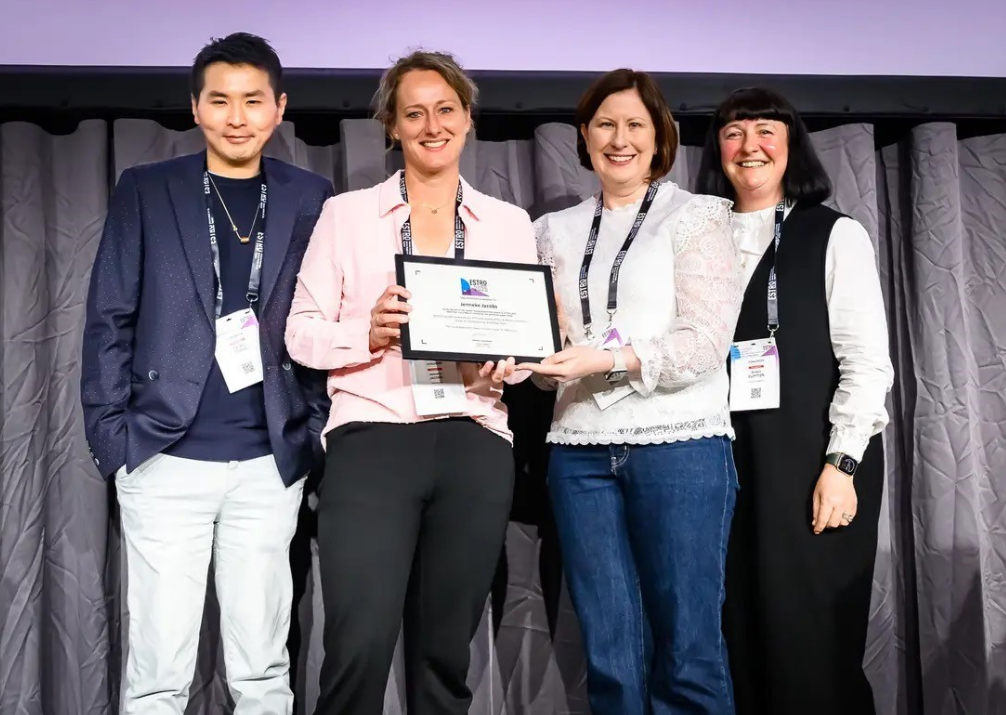
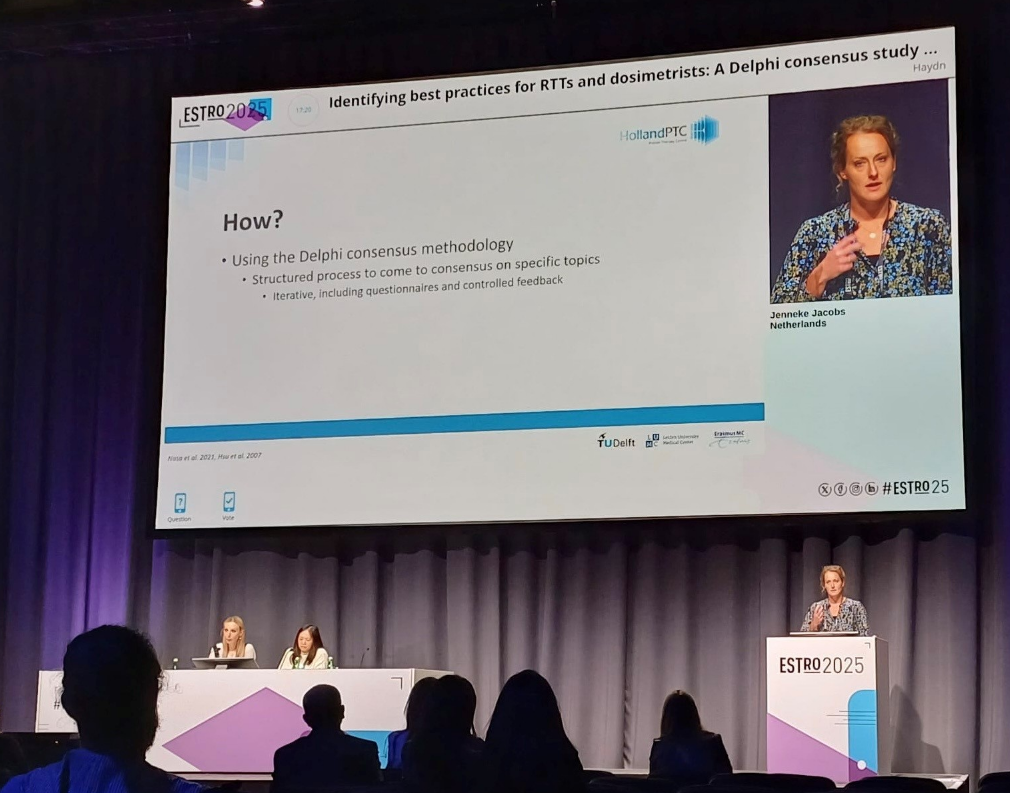
ESTRO_2025_1.jpeg ESTRO_2025_2.jpeg


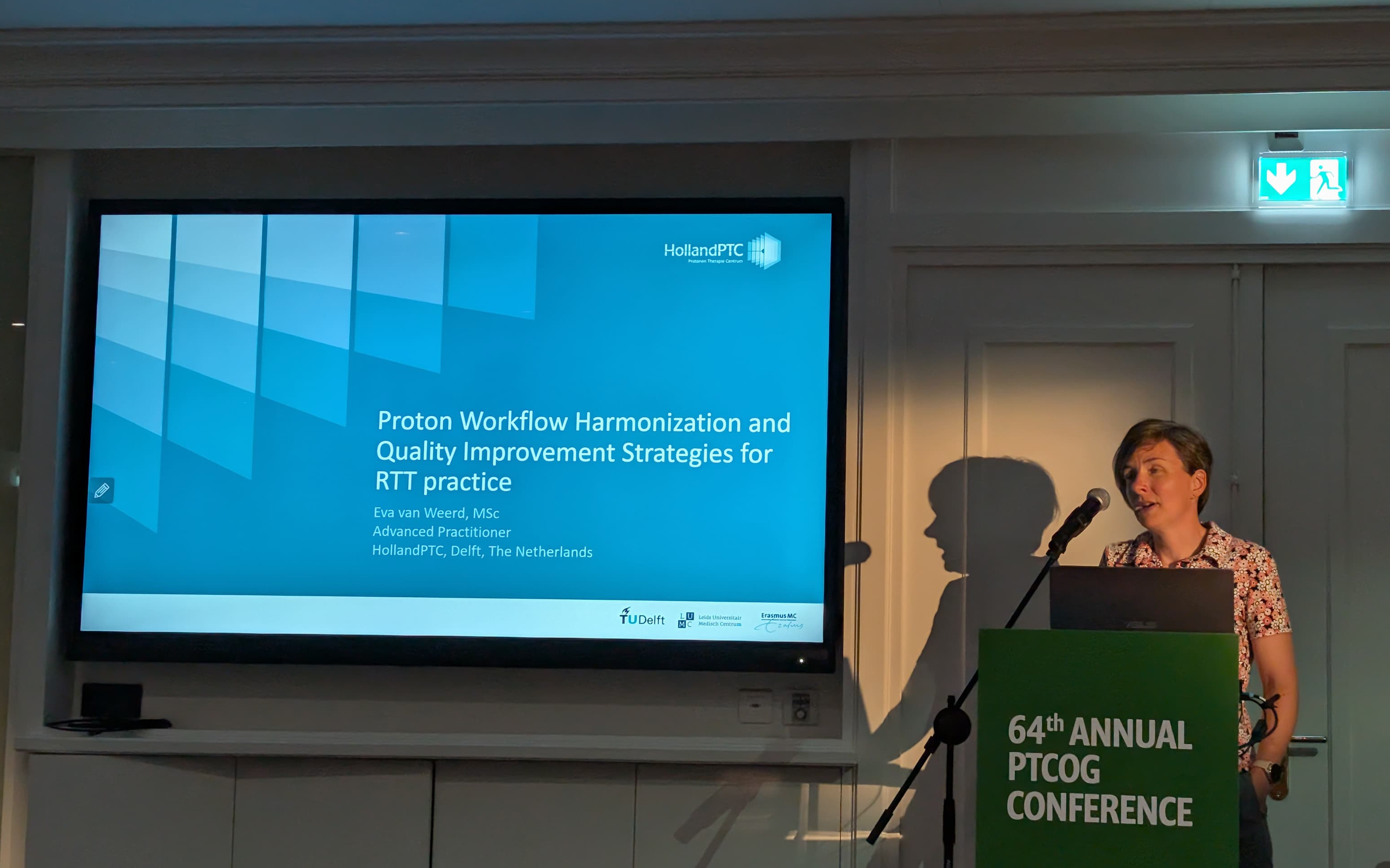
At the annual ESTRO Congress in Vienna, held from 2 to 6 May, the results of our Delphi consensus study on identifying best practices for RTTs and dosimetrists were presented during the proffered paper session titled “From Bottleneck to Breakthrough: Optimizing Radiotherapy Workflows.”


Notably, the abstract was ranked in the top 5% of all submitted abstracts and was awarded the tipsRO Young Researcher Award.

The manuscript is currently being finalized and is expected to be submitted to a peer-reviewed journal in the near future.

The work of developing clinical guidelines for best practices within the RTT workflow in proton therapy is about to start. The 6th to 7th of February the TaSeRnet project group and a member of the ESTRO guideline commitee will meet in Denmark to discuss and decide upon the process of guideline development, publication and implementation. The guidelines will be founded on both the scoping review and the results of the Delphi Study conducted in work package 2 in the TaSeRnet project.

The Delphi consensus study aimed at establishing best practices for RTTs and dosimetrists has successfully concluded after three rounds of in-depth expert input. The study, which involved a group of 40 RTTs and dosimetrists from 10 proton centers across Europe, has resulted in consensus on 24 out of 26 statements about workflow steps in which RTTs and dosimetrist play a key role. The collaborative effort was designed to identify best practices, relying on the expertise and insights of participants to guide the final outcomes. Through the structured Delphi method, experts were able to anonymously vote on proposed workflow steps, gradually converging on a set of recommendations. In addition to establishing best practices, the outcomes of this Delphi study will play a key role in the development of comprehensive guidelines for workflow steps (WP3). These guidelines, based on the consensus reached in the study, are expected to help standardize practices and enhance quality in proton therapy. 

The next step is to formally publish the findings, and we are currently working on preparing the results for publication in a peer-reviewed journal. Once the article is released, all participants in the study will be notified so they can access the final, peer-reviewed document. With 24 of the 26 steps receiving agreement, the study provides a robust framework that can help standardize and optimize workflows in proton therapy. 

We'd like to thank everyone who contributed to this study, as their insights and expertise played a key role in forming the final conclusions!

This week, we initiated a Delphi consensus process aimed at establishing best practices for RTTs and dosimetrists. Over the past few months, our team has worked hard to analyze the outcomes of the TaSeRnet workshop and complete a scoping review of existing literature related to RTT guidelines.
Based on this work, we have developed 26 statements to guide the Delphi process. After a thorough review by our steering committee and the workshop secretaries, these statements are now ready for distribution to our voting panel. We are proud to have representation from 10 countries, making this a truly European consensus effort.
We anticipate completing three rounds of the Delphi process, with final results collected by the end of November. The outcomes will be published and used to develop comprehensive guidelines for RTTs and dosimetrists.

Voting_panel_Delphi_consensus_process.jpeg

We use cookies

We use cookies on our website. Some of them are essential for the operation of the site, while others help us to improve this site and the user experience (tracking cookies). You can decide for yourself whether you want to allow cookies or not. Please note that if you reject them, you may not be able to use all the functionalities of the site.